
Environment, Productivity, and Industry Affairs (EPIA) Committee
The Environmental Productivity & Industry Affairs (EPIA) Committee plays a central role in shaping the long‑term sustainability, profitability and resilience of the Australian rice industry. Through strong policy leadership, industry collaboration and informed decision-making. The Committee supports growers, protects our natural resources, and advocates for the future of rice production across the Riverina.
The EPIA Committee aims to:
Support Natural Resource Management practices that protect and enhance the landscapes in which rice growers operate.
Ensure government and industry policies maximise farm productivity and profitability.
Strengthen collaboration across agricultural industries in the best interests of growers and the wider rice sector.
Our Objectives
| RGA Committee & Representation | ||
|---|---|---|
| Name | Branch | Position / Representation |
| Scott Williams | Yanco | Committee Chair |
| Anna Jewel | Berriquin | Branch President; NFF Economic Policy & Farm Business Committee |
| Martin van der Sluys | Victoria | NFF Sustainable Development & Climate Change Committee |
| Antony Vagg | Deniliquin | Committee Member |
| Darrel Fiddler | Mirrool | Committee Member |
| Linda Fawns | Deniliquin (CE Alternate) | Committee Member |
| Nathan Crowley | Mirrool | NFF Farming Systems Committee |
| Andrew Todd | Yanco | Committee Member |
| Neil Bull | RGA Staff | Multiple NFF Committees; Levy Payer Engagement; Crop Protection Working Group |
| Dale Arthur | RGA Staff | NFF Telecommunications & Social Policy; RRR Communications Coalition |
| Perin Davey | RGA Staff | R&D Advisory Roles; Fuel Tax Credit Alliance |
Key Policy Areas
-
The rice industry’s RD&E program drives innovation in genetics, water efficiency, agronomy and digital extension. The current plan sets a target of 1.5ML per tonne by 2030, with significant investment in breeding through Rice Breeding Australia and digital agronomy tools.
The RGA advocates for:
Increased research into rice within mixed summer cropping systems.
Transparency around GRDC investments in the Murray and Murrumbidgee.
Increasing the PHA levy contribution in line with the R&D levy.
Collaborative, industry‑wide investment in transformational RD&E.
-
Water is the cornerstone of rice production. The RGA supports adoption of best practice in irrigation layout, ponding systems, storage infrastructure, and crop management.
Priorities include:
Improved grower capability in water budgeting and market knowledge
Better scenario planning and risk management
Increased reliability of general‑security water allocations in NSW
-
Reliable connectivity is essential for modern farming. The RGA is an active member of the Rural, Regional and Remote Communications Coalition, pushing for:
Affordable, reliable voice and data services
Expansion of mobile coverage
Digital skills development across rural communities
Full implementation of Regional Telecommunications Review recommendations
-
The RGA works with RMS, NHVR and councils to ensure growers have safe, fair and efficient access to road networks.
Focus areas include:
Agricultural vehicle access and permitting
The NSW Grain Harvest Management Scheme (GHMS)
Protecting fuel tax credits essential to farm operations
-
Safe, effective chemical access underpins productivity and biosecurity.
RGA policy supports:
Timely APVMA approval processes
Cross‑industry cooperation through the AgVet Collaborative Forum
Best practice spray application, drift reduction and record keeping
Strong biosecurity responses, including for rice pests and diseases
-
Policies support practical, community‑minded stubble management and measures that reduce chemical drift, protect air quality and minimise smoke impacts.
-
The RGA encourages practices that reduce on‑farm emissions, support carbon market participation, and build climate resilience through innovation and research.
-
Safety is non‑negotiable. The RGA promotes:
WHS best practice
Safe machinery use (including quad bikes)
Workforce planning and access to labour
Strong safety culture across all farming operations
-
Rice fields play an important role in biodiversity, supporting species such as the endangered Australasian Bittern. The RGA leads habitat research, restoration and incentives to support grower involvement.
-
The RGA is a proud Landcare NSW host organisation, supporting farmers with localised environmental and farm management programs across the Riverina.
-
The RGA only supports licensed hunting when non‑lethal deterrents are ineffective and all legislation is strictly followed.
-
The RGA supports the next generation through training opportunities, scholarships and leadership development (update wording as your program grows).
-
The RGA fosters strong industry leadership through:
Grower capacity building
Community engagement
Industry history and culture
Collaborative networks
-
With vesting arrangements ending after the C25 crop, the RGA is working closely with NSW DPI to ensure remaining RMB funds are reinvested into industry benefit, particularly R&D.
-
The RGA supports landholder choice while protecting the long‑term integrity of agricultural land, water access, neighbouring property rights and biodiversity.
-
(Section flagged for update — can be added when finalised.)
Meet the team
-
Policy & Project Manager
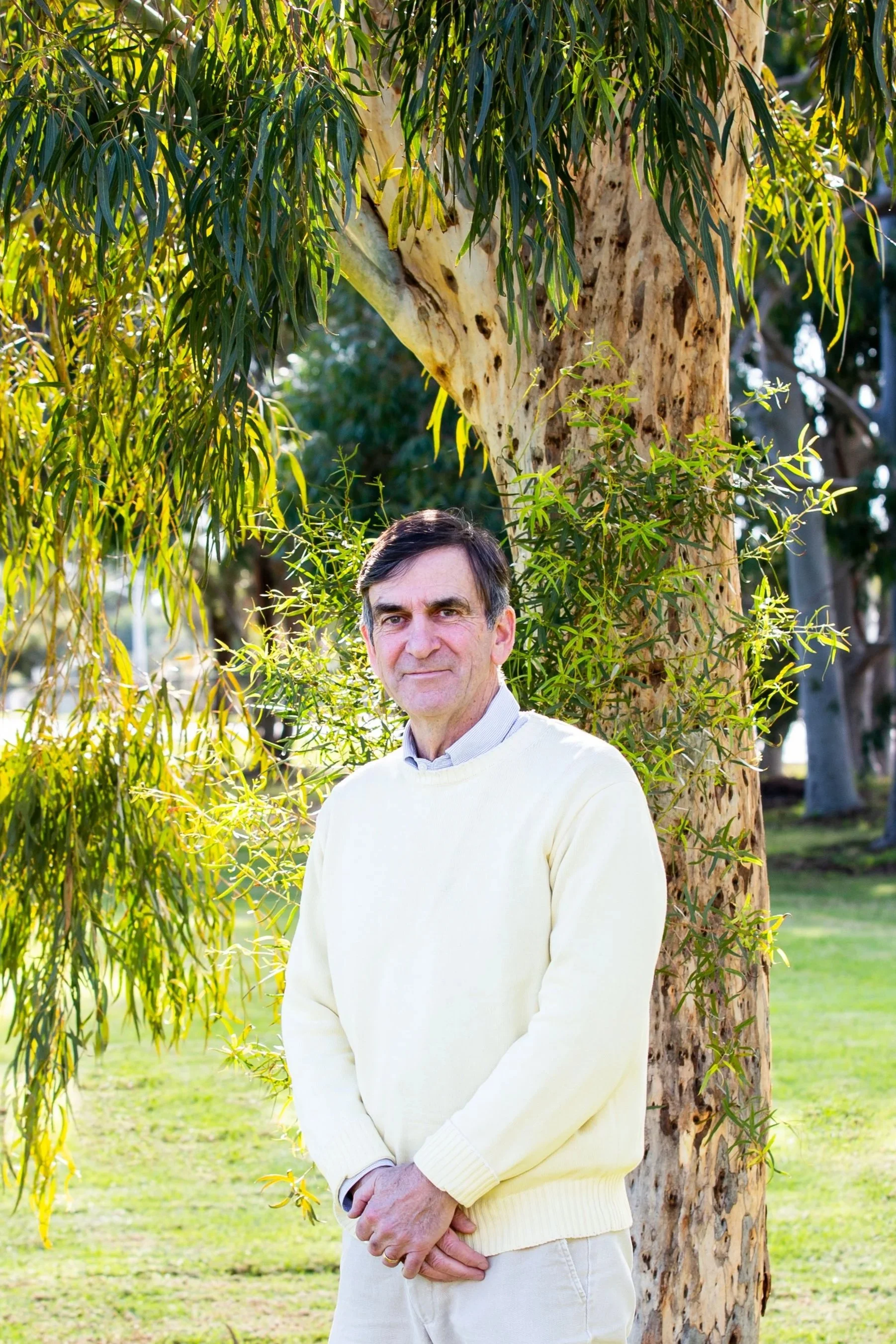
Neil joined the RGA in 2008 as the Murray Regional Coordinator for the Environmental Champions Program and since that time has worked on a range of projects including the On Farm Irrigation Efficiency Program and the Environmental Champions Program. Today Neil manages a range of Environmental Projects for the RGA, based out of Deniliquin.
Prior to commencing his tenure with the RGA Neil owned and operated irrigation and dryland farm businesses in the Deniliquin area, his farm management involved the implementation of sustainable land management practices and biodiversity enhancement projects.
Neil holds an Advanced Diploma of Agriculture and has training in Project Management and Facilitation.p. 0428 603 557
Neil Bull
Policy & Project Manager
Neil joined the RGA in 2008 as the Murray Regional Coordinator for the Environmental Champions Program and since that time has worked on a range of projects including the On Farm Irrigation Efficiency Program and the Environmental Champions Program. Today Neil manages a range of Environmental Projects for the RGA, based out of Deniliquin.
Prior to commencing his tenure with the RGA Neil owned and operated irrigation and dryland farm businesses in the Deniliquin area, his farm management involved the implementation of sustainable land management practices and biodiversity enhancement projects.
Neil holds an Advanced Diploma of Agriculture and has training in Project Management and Facilitation.
p. 0428 603 557