
Voice of the Levy Payer
We want your Feedback! Your feedback will inform areas of focus for rice research, development, and extension. It will help decide which areas your levy will be spent on.
RGA Policy & Project Manager Neil Bull has created a short online form for levy payers and industry stakeholders to submit suggested research and activities for the AgriFutures Australia Rice Research, Development and Extension Program. If you would prefer to talk to Neil directly, you can contact him on 0428 603 557 or via nbull@rga.org.au

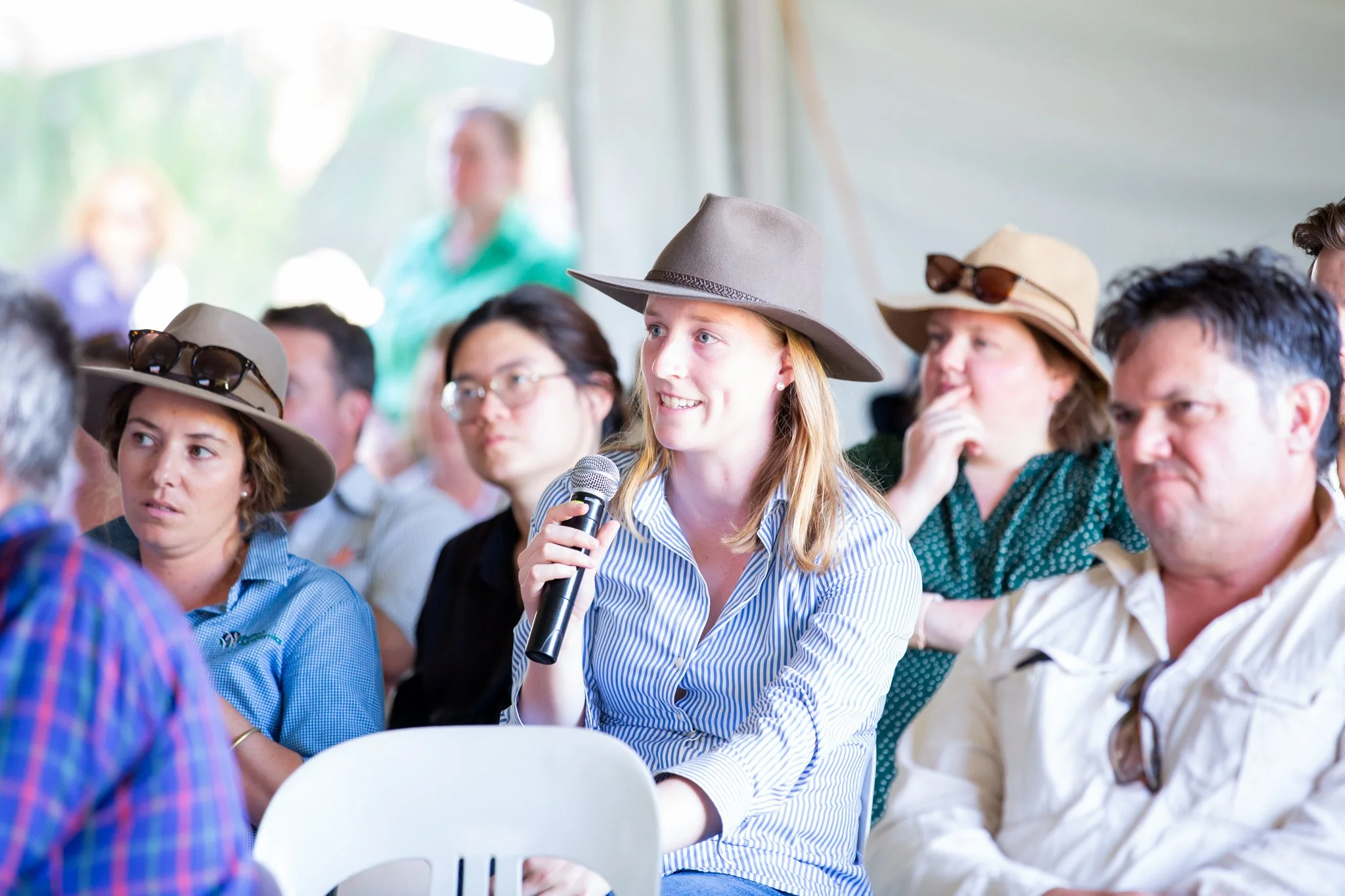
The Levy Payer Feedback and Engagement Project, or Voice of the Levy Payer (VoLP), as it is more commonly called, provides all levy payers with an opportunity to share feedback on areas they would like to see improved.
The Voice of the Levy Payer Project received over 60 individual items of feedback for the period July 2023 to June 2024. The feedback included input from 30 rice growers interviewed regarding their views of the rice industry and the AgriFutures Rice RD&E Program.
The feedback received has been summarised into the following broad areas:
Nitrogen management, particularly how to assess the nitrogen requirements after a legume crop.
Bloodworm control: This focused on the need to find a replacement chemistry for Chlorpyrifos.
Rice breeding, including cold tolerance, water productivity, seedling vigour and improved grain quality. Several growers asked whether there was a genetic link to grain cracking or resistance to it under different climatic conditions.
Waterfowl control: Finding new technologies to protect rice crops from some species of waterfowl.
Stubble management: we need to find solutions to prevent rice stubble burning.
Weed control: With the widespread adoption of drill-sown rice, we need to develop new or better ways to use existing chemistry to control Marsh Rush and a range of sedges. This issue is becoming a problem in the MIA.
In addition, the project has been working with AgriFutures to upgrade the reporting and feedback documents and share this information with levy payers and industry stakeholders.