
Discover Insights About Rice
Quick facts and deep dives into the industry
Rice: A Global Staple
Rice is one of the world’s most important foods and is the primary source of nutrition for more than three-quarters of the global population.
In fact, the word for rice is a synonym for 'food' or 'agriculture' in some countries. Archaeological evidence suggests rice has been feeding humankind for more than 5,000 years.
In-Depth Information
Brief History
In 1924, the Riverina region witnessed a quiet revolution. On newly surveyed land in the Murrumbidgee Irrigation Area (MIA), a group of pioneering farmers planted Australia’s first commercial rice crop. By 1925, the harvest was complete, and the first rice was sold – marking the beginning of a century-long legacy in Australian agriculture.
This milestone was more than a successful experiment. It was the foundation of an industry that would grow to feed millions, support generations of farming families, and become a cornerstone of regional prosperity.
Geographic Distribution//
Main Rice-Growing Regions
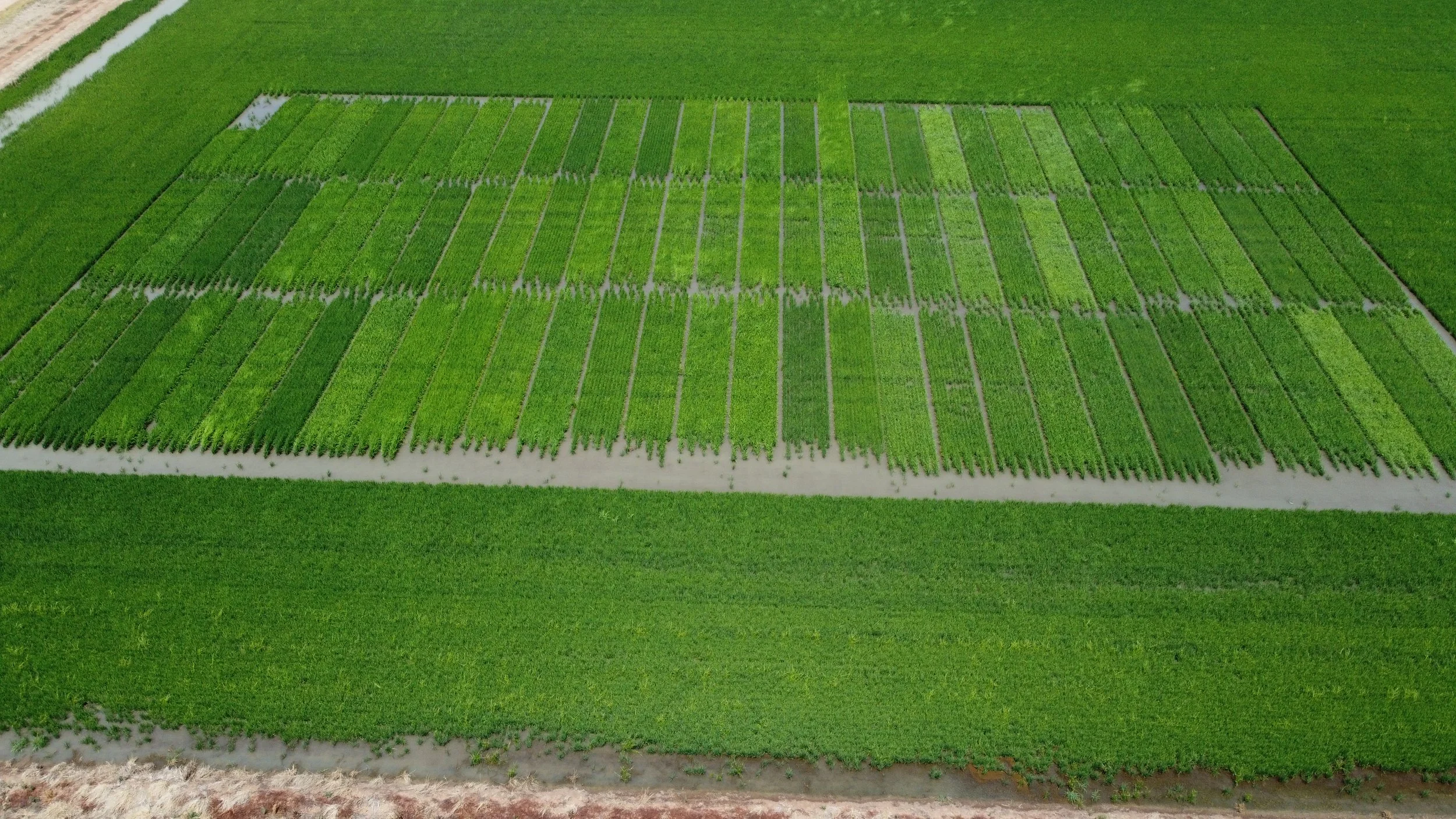
Most of the rice grown in Australia is concentrated in the Murrumbidgee and Murray Valleys of southern New South Wales; however, smaller areas of rice are also grown in northern Victoria, northern New South Wales, and north Queensland.
Climate and Water Requirements
Rice production in Australia is directly linked to water availability. Each year, state governments assess dam resources and allocate water based on a priority system. Most rice is grown by general security irrigators, who receive water last and are the first to face reductions during drought or water shortages.
Production Statistics//
Annual Production Volumes and Trends
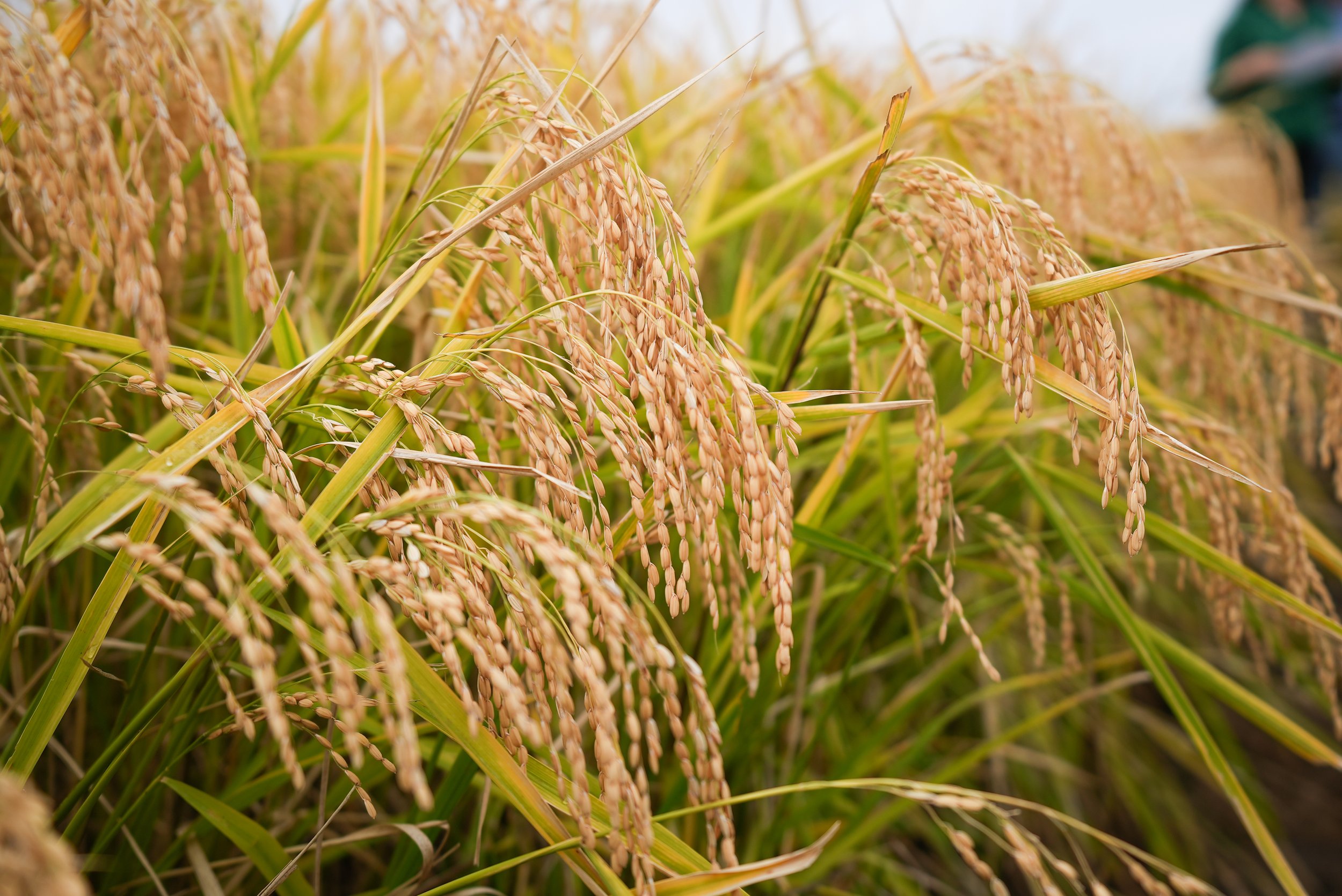
Annually, the Australian rice industry produces 500,000 tonnes of rice, predominantly bold medium grain, with Matilda (V071) currently being the main variety. Australian farmers grow a wide range of rice varieties in addition to Matilda including short grain varieties like Koshihikari and Opus, other medium grain varieties including Sherpa and Viand, and long grain varieties such as Topaz and Langi. These rice types have been specifically developed to thrive in the great Australian climate. In fact, Australia produces the highest quality rice in the world.
Comparison with Global Rice Production
Operating without production or export subsidies, the Australian rice industry is the most efficient in the world, competing against heavily subsidised producers and navigating trade barriers in many markets.
Industry Structure//
Major Stakeholders
The Australian rice industry is managed by its key stakeholders with Australian farmers at the centrefold. Key stakeholders include the Ricegrowers’ Association of Australia, the peak body for the Australian rice industry, AgriFutures Australia, the Research & Development Corporation pioneering scientific development of Australian rice, Rice Breeding Australia, developing rice for the future, Rice Extension, agronomic experts helping farmers grow high quality crops, and three major processors, SunRice Group, Natural Rice Co. and Nice Rice, taking Australian rice to the world.
Role of Organisations
Click here to read more
Sustainability and Water Efficiency//
Australia is a global leader in water-use efficiency and environmental improvement. Each year, Australian rice growers use less water to grow their crop and achieve higher yields and higher-quality rice, thanks to research and development and rice breeding.
Annually, the Australian rice industry invests up to $18 million in research and development to improve water efficiency, farming practices, and product quality. Key areas of focus include:
Sustainable irrigation practices
Breeding new rice varieties for better quality and water efficiency
Plant protection and nutrition
Best-practice technologies for harvesting and processing
Product development and environmental impact reduction